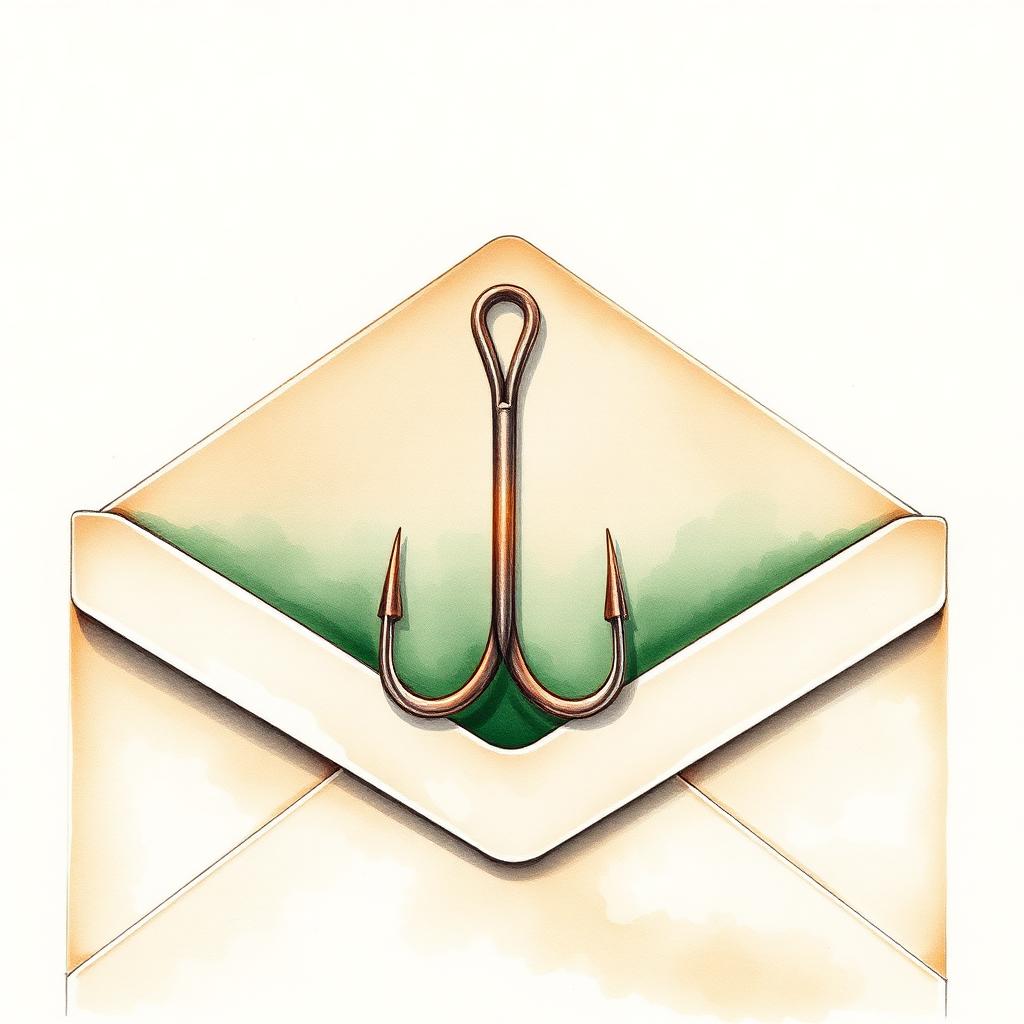
Identity Theft · 1990s – present
Phishing
A convincing email or text imitates your bank, your job, or a service you use — and quietly hands your login to a stranger.
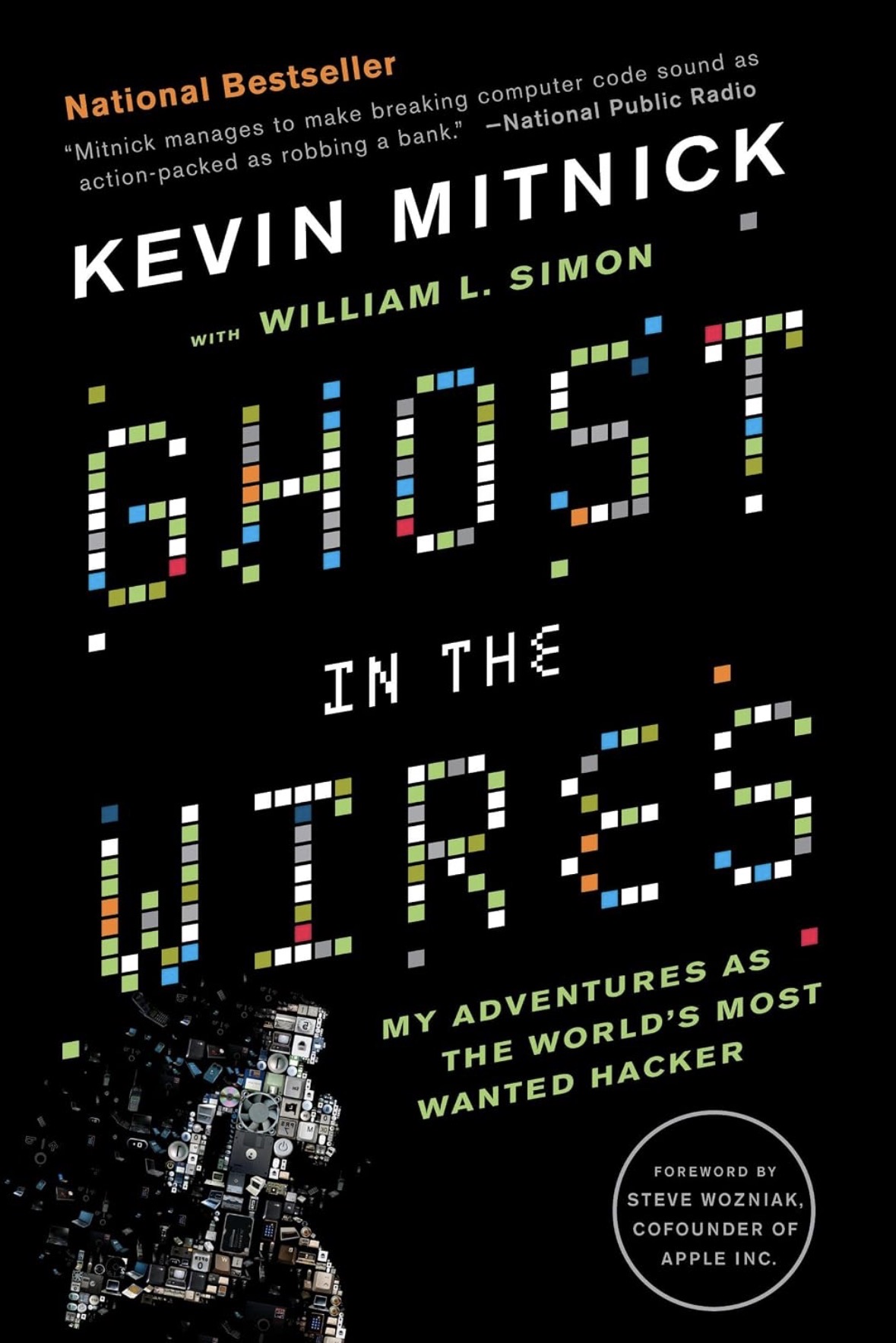
Ghost in the Wires
Kevin Mitnick
Social engineering as sport — the human side of hacking.
Now broadcasting: Phishing
The short of it
Phishing is a identity theft that dates to the 1990s – present. A convincing email or text imitates your bank, your job, or a service you use — and quietly hands your login to a stranger. The tell is usually simple: urgent messages about locked accounts or missed deliveries. If you remember one thing, remember this — type addresses yourself instead of clicking links in email.
Warning Signs
- Urgent messages about locked accounts or missed deliveries.
- Links that don't quite match the real domain.
- Requests to 'confirm' your password or code.
Protect Yourself
- Type addresses yourself instead of clicking links in email.
- Turn on two-factor authentication everywhere.
- When in doubt, call the company using the number on the back of your card.
Read Deeper
Ghost in the Wires
Kevin Mitnick
Adventures of the world's most wanted social engineer.
Shop on AmazonAffiliate links — we may earn a commission
Watch it unfold
Affiliate links — we may earn a commission at no extra cost to you.
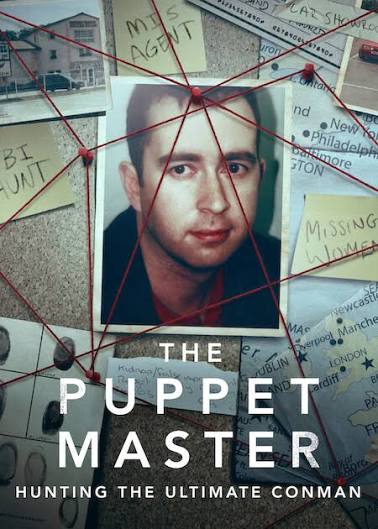
Play the grift
Affiliate links — we may earn a commission at no extra cost to you.
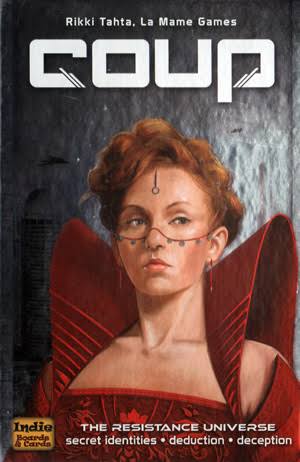
Lock the door
Affiliate links — we may earn a commission at no extra cost to you.


You might also like
Full shelf →Affiliate links — we may earn a commission at no extra cost to you.
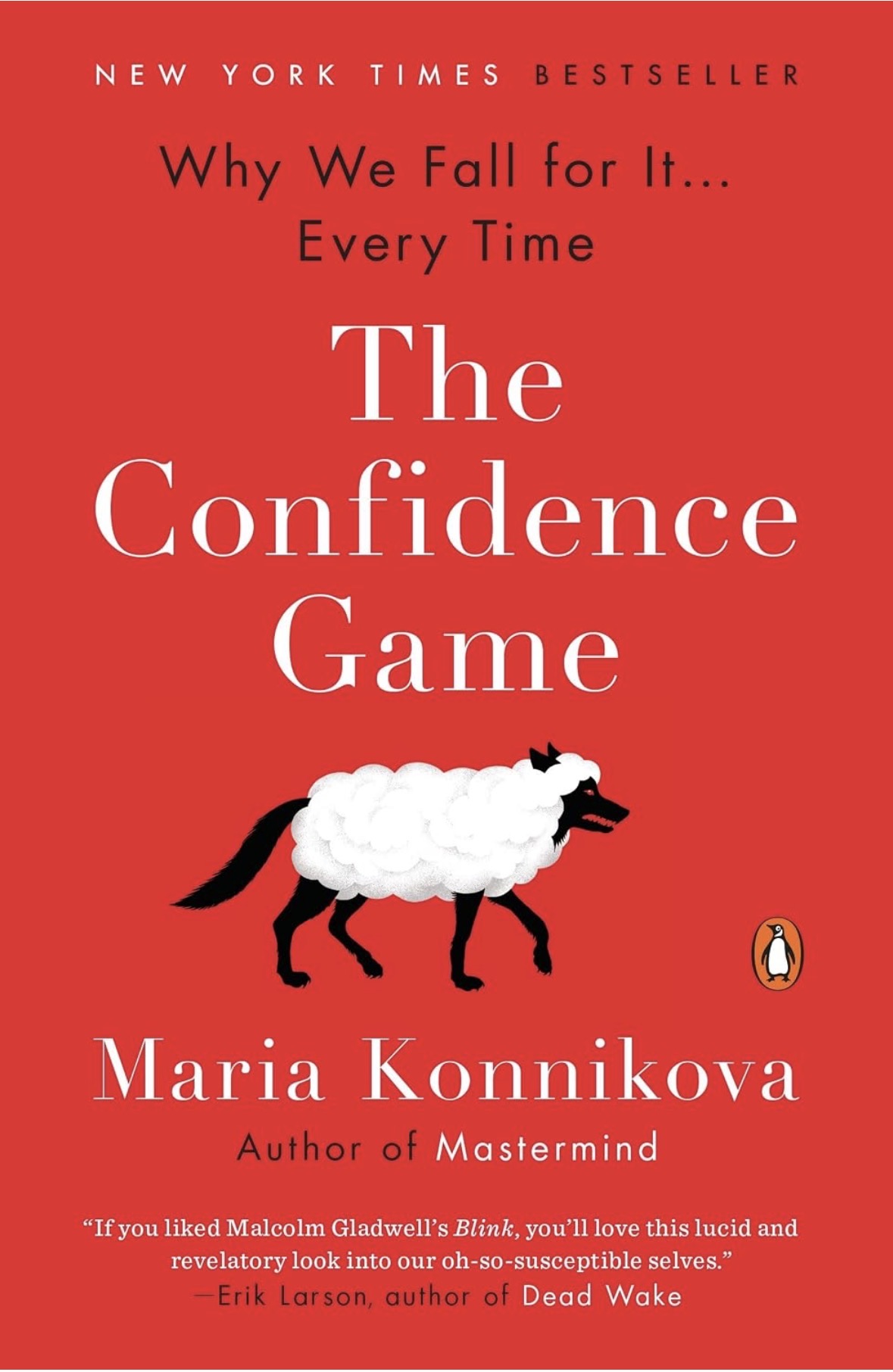
The Confidence Game
Maria Konnikova
The single best explanation of why smart people say yes. Start here.
Shop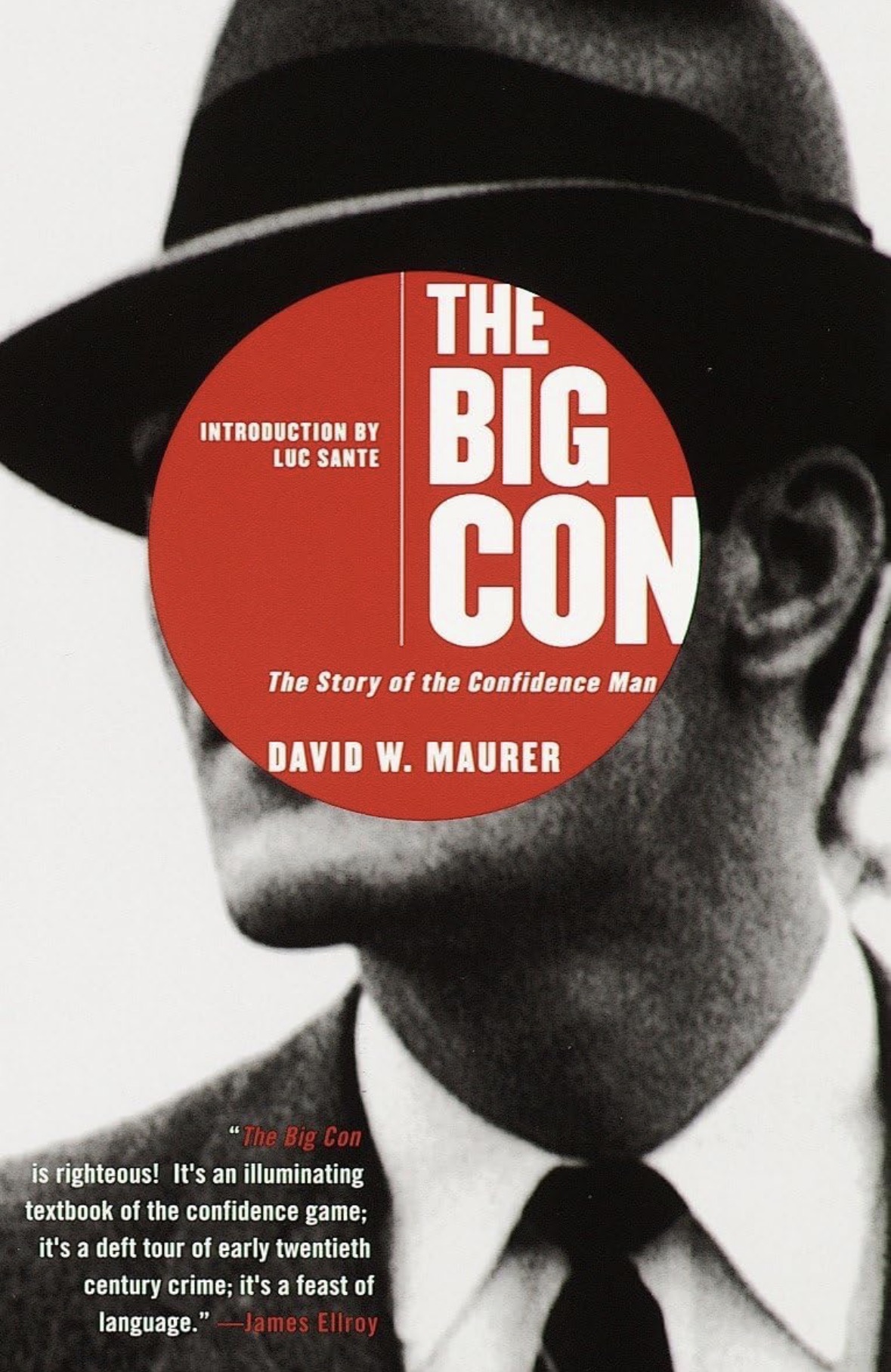
The Big Con
David W. Maurer
The 1940 field study every modern grift book quietly borrows from.
Shop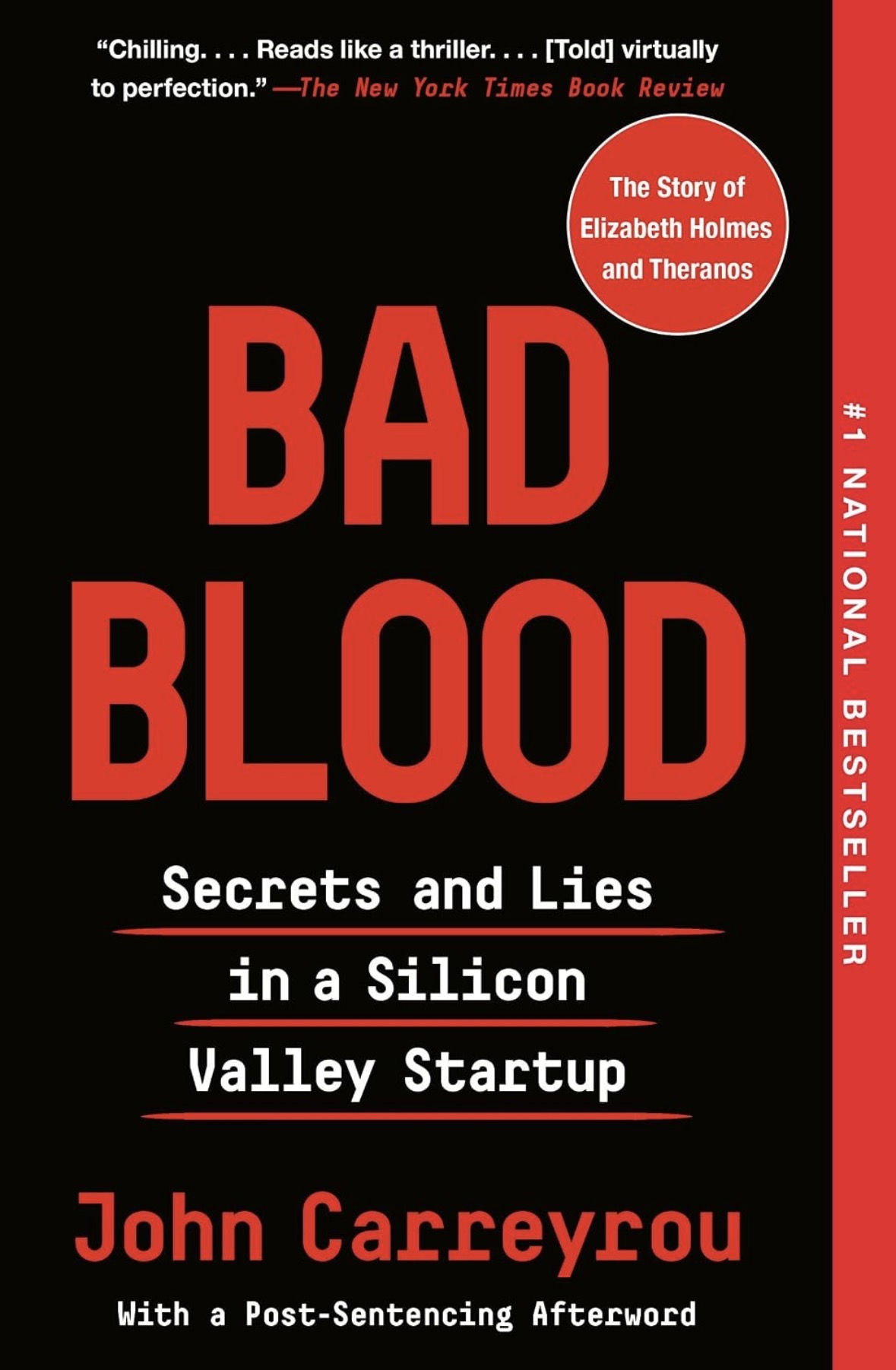
Bad Blood
John Carreyrou
The tightest fraud narrative of the last decade — reads like a thriller.
Shop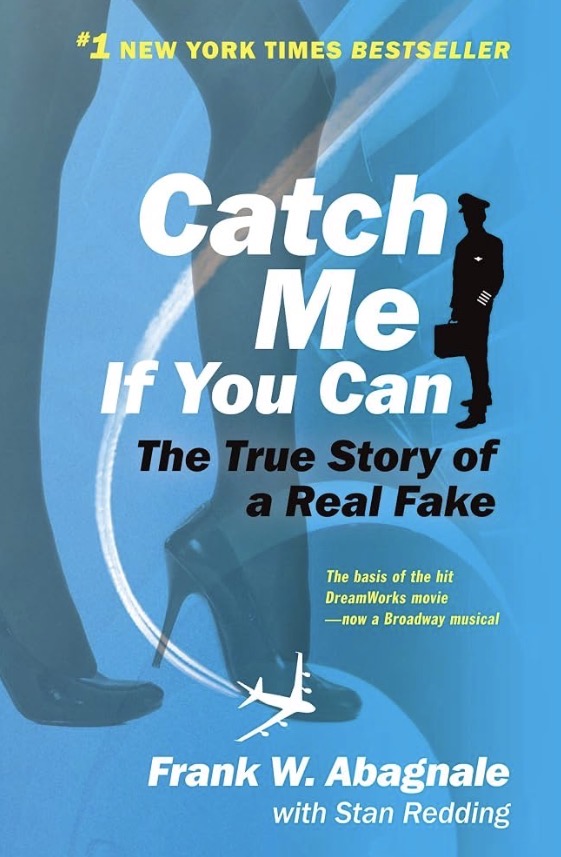
Catch Me If You Can
Frank W. Abagnale
The charm-first grifter memoir that started the genre.
ShopSign the guestbook
Loading guestbook…